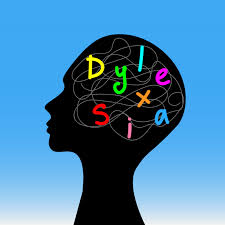
Learning disabilities are neurological conditions that affect a person’s ability to acquire, process, store, or produce information. Here’s a brief summary of five common learning disabilities, their early signs, and potential interventions:
1. Dyslexia
Description: Difficulty in reading, spelling, and writing, often associated with challenges in phonological processing.
Early Signs & Symptoms:
- Difficulty with phonological processing
- struggles with reading, spelling, and decoding words.
Interventions:
– Multi-sensory reading programs.
– Specialized tutoring in phonics.
– Assistive technology for reading and writing.
2. ADHD (Attention-Deficit/Hyperactivity Disorder)
Description: Impulsivity, hyperactivity, and difficulty sustaining attention.
Early signs & symptoms:
- Inattention
- hyperactivity
- impulsivity
- difficulty organizing tasks
- forgetfulness.
Interventions:
– Behavioral interventions and rewards.
– Structured environments and routines.
– Medication in some cases, as prescribed by a healthcare professional.
3. Dyscalculia
Description: Difficulty with mathematical concepts, calculations, and number sense.
Early Signs & Symptoms:
- Difficulty with mathematical concepts
- Struggles with basic arithmetic
- Poor sense of numbers.
Interventions:
– Visual aids and manipulatives for better understanding.
– Individualized instruction in math.
– Technology-based tools for math support.
4. Dysgraphia
Description: Difficulty with handwriting, spelling, and organizing thoughts on paper.
Early Signs & Symptoms:
- Poor handwriting
- Difficulty with spelling and organizing thoughts in writing
- Struggles with fine motor skills.
Interventions:
– Occupational therapy for fine motor skills.
– Use of assistive technology for writing.
– Graphic organizers to help organize ideas.
5. Auditory Processing Disorder (APD)
Description: Difficulty processing and interpreting auditory information, which can impact language and communication skills.
Early Signs & Symptoms:
- Difficulty processing and interpreting auditory information
- Struggles with following verbal instructions.
Interventions:
– Auditory training exercises.
– Classroom accommodations like preferential seating.
– Speech and language therapy.
It’s important to note that each individual is unique, and interventions should be tailored to their specific needs. Early identification and a multidisciplinary approach involving educators, parents, and specialists are crucial for effective support. Interventions may also include accommodations, modifications to the learning environment, and ongoing communication between educators and support professionals.